 +86-573-86868360
 การสอบถาม

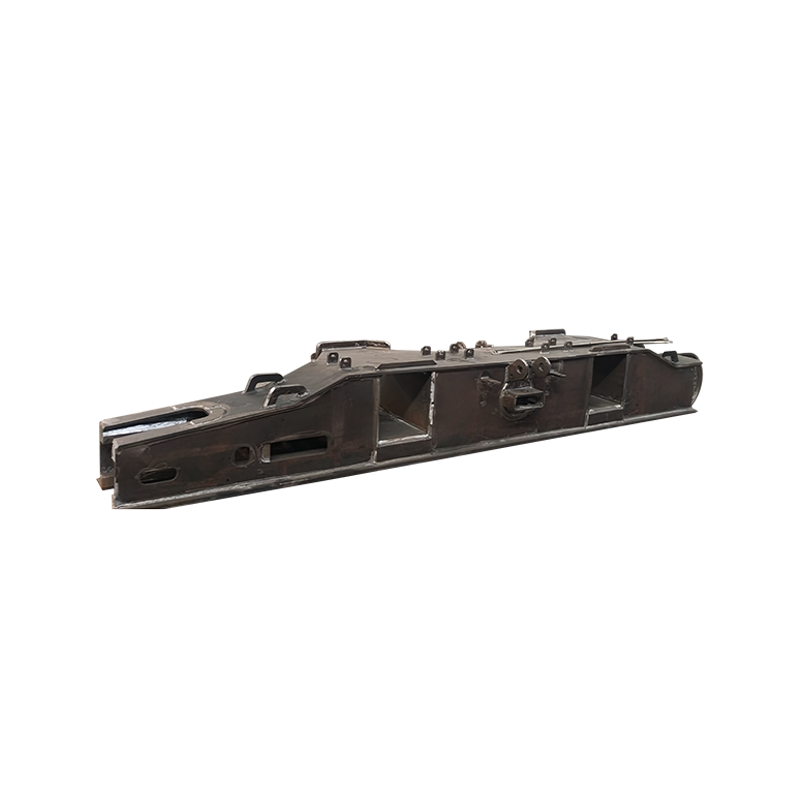
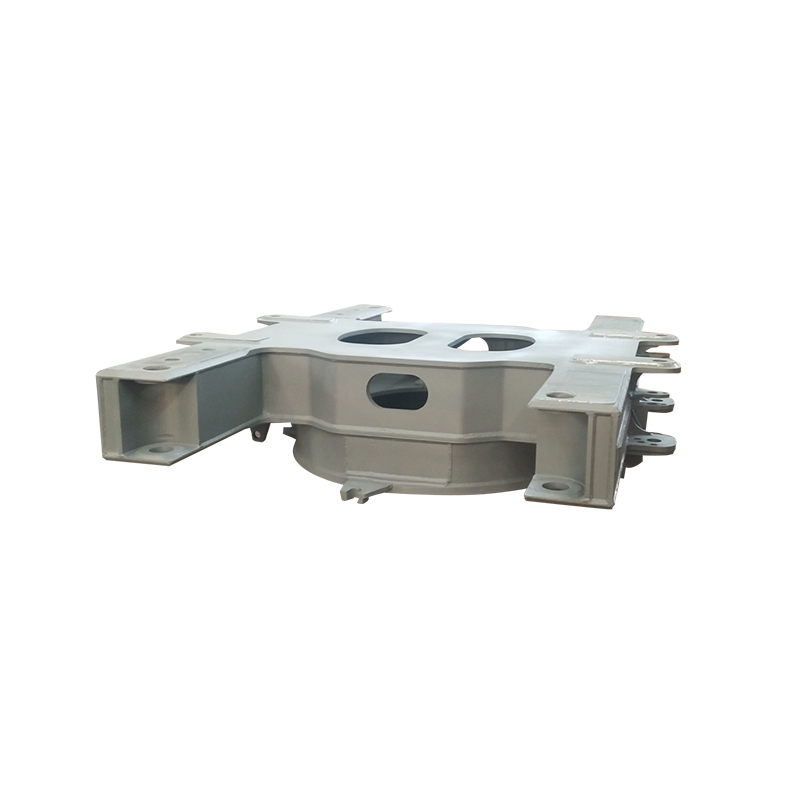
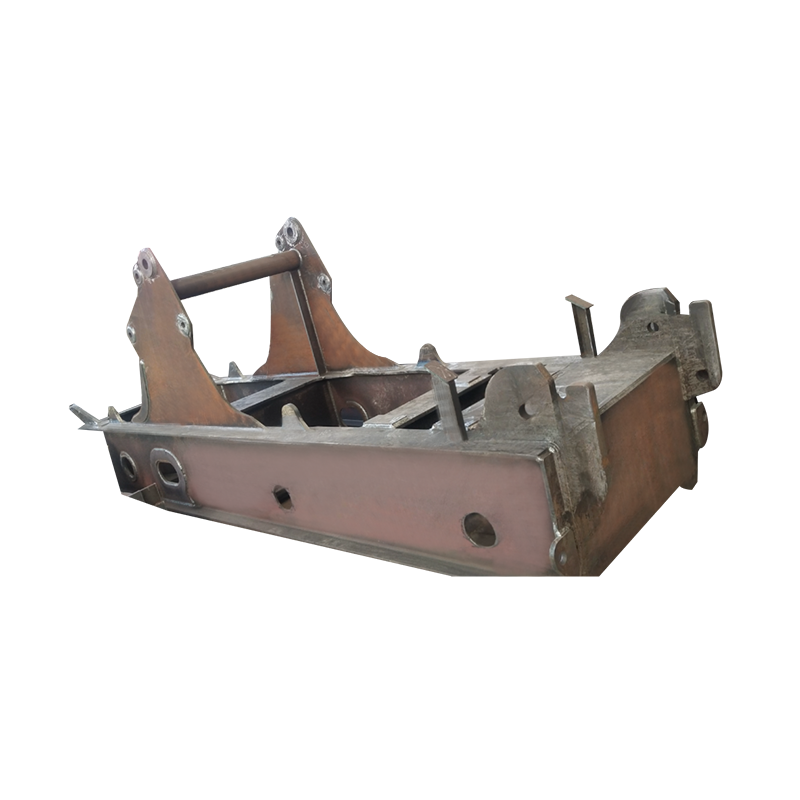
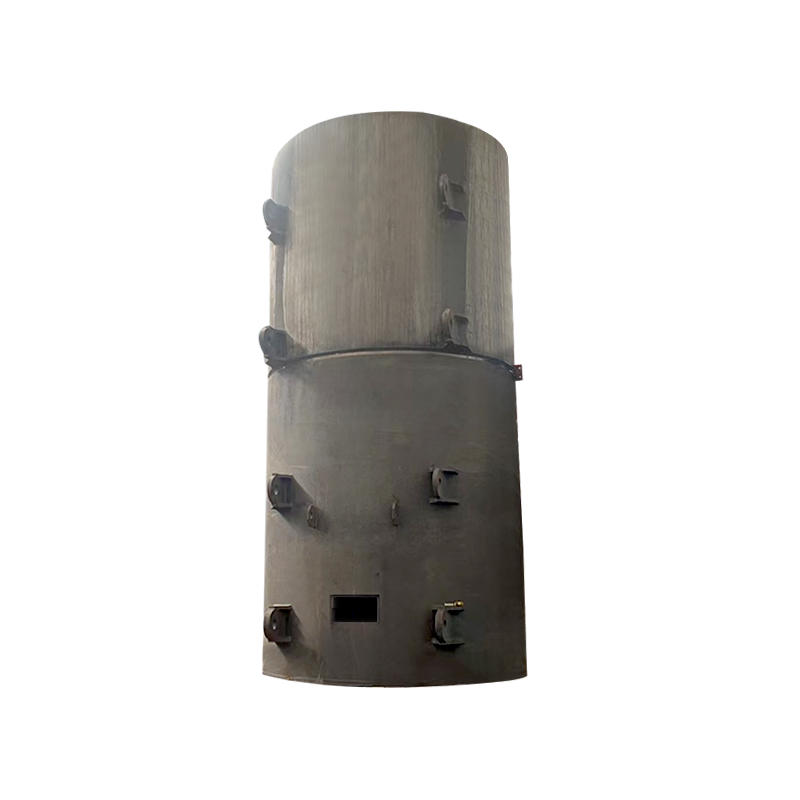
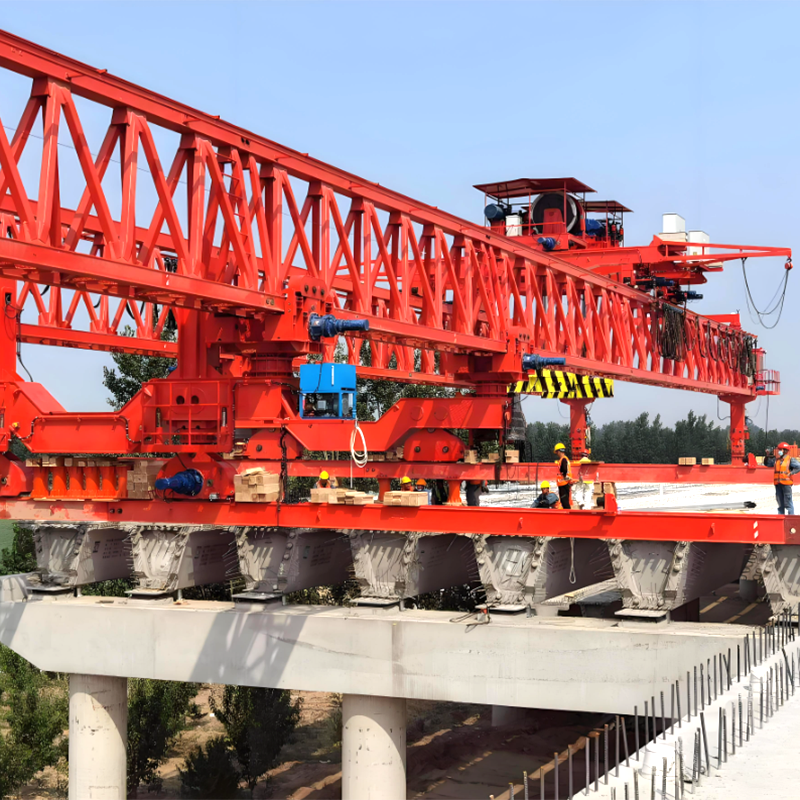
Bridge erecting machines are colossal, precision-engineered assets critical to modern infrastructure projects. Their structural components, primarily fabricated from high-strength carbon steel, represent significant financial investments and are essential for project timelines. Given their massive size, intricate geometries, and the fact that they are often pre-assembled before being disassembled for transport, ensuring they arrive on-site undamaged is a logistical challenge of the highest order. Damage during transit or handling can lead to costly repairs, project delays, and even safety risks during machine operation.
Phase 1: Pre-Transport Preparation – The Foundation of Safety
The journey to prevent damage begins long before a component is loaded onto a truck.
1. Detailed Transportation and Lifting Study: Engineers create a comprehensive plan that identifies every component’s center of gravity, lifting points, and support locations. This study dictates how the piece will be rigged, balanced, and supported during all handling stages.
2. Strategic Segmentation: While some components are transported as single units, others are strategically segmented into smaller, more manageable sub-assemblies. This decision balances transport efficiency (fewer loads) against the risks associated with moving extremely large, over-dimensional items.
3. Protective Coatings and Surface Protection: Carbon steel is susceptible to corrosion. Prior to shipping, components receive their primer coat, and sometimes intermediate coats, in a controlled factory environment. Critical machined surfaces (e.g., mating faces, pin connection holes, guide rails) receive extra protection. This often involves:
* VCI (Vapor Corrosion Inhibitor) Paper or Film: Wrapping surfaces to create a protective atmosphere.
* Strippable Coatings: A temporary, peel-off plastic layer that protects against scratches, weld spatter, and moisture.
* Custom-Built Covers or Caps: For threaded rods, precision bored holes, and hydraulic cylinder rods.
4. Marking and Identification: Clear, unambiguous marking using paint stencils or welded-on tags is crucial. This includes part numbers, weight, center of gravity, and designated lifting points. Proper identification prevents handling errors at crowded staging yards.
5. Design and Fabrication of Custom Transport Cradles and Supports: Components are never allowed to rest on their edges or delicate protrusions. Custom-fitted timber or steel cradles are fabricated to support the component along its main structural members, as defined in the transport study. These cradles are often bolted or welded (with pre-approved weld points) directly to the component for the duration of the journey.
Phase 2: Loading and Securing – The Art of Immobilization
Loading is a deliberate, carefully choreographed operation.
1. Equipment Selection: The choice between cranes (mobile or crawler), multi-axle self-propelled modular transporters (SPMTs), or specialized gantries depends on weight and site conditions. All equipment must have a certified load capacity well exceeding the component’s weight.
2. Rigging with Precision: Lifting is done using certified slings (wire rope, synthetic, or chain) of appropriate capacity. Spreader beams are almost always used to:
* Control the lift angle, ensuring slings are not overly choked around sharp edges (protected by radius pads).
* Lift the component in a level, stable manner to avoid bending stresses.
* Attach directly to the pre-engineered lifting lugs on the component.
3. Load Securement (Tiedown): This is governed by strict regulations (e.g., DOT in the US) and engineering principles. The goal is to prevent any movement during transit.
* Principles: Securement must counteract forces in all directions: forward, rearward, lateral, and vertical (bouncing).
* Materials: High-grade chain with ratchet binders or steel strap systems are standard. Nylon straps may be used for non-abrasive, lighter tasks.
* Technique: Tiedowns are attached to the transport trailer’s robust tie-down points, not to the component’s protective cradles or fragile features. They are tensioned in opposing pairs to create a “web” of restraint. Edge protection is used wherever straps or chains contact the steel to prevent grinding and gouging.
* Blocking and Bracing: Wooden timbers (4x4, 6x6) and steel stakes are used to physically block the component from shifting within its cradle. This transfers road forces into the trailer deck through compression, rather than relying solely on friction and tiedown tension.
Phase 3: Over-the-Road Transport – Navigating the Route
Transporting over-dimensional loads requires specialized planning.
1. Route Surveys: A detailed route survey is conducted to identify all obstacles: low bridges, tight turns, narrow lanes, overhead wires, and road weight restrictions. This may dictate the specific trailer configuration (number of axles, trailer length, gooseneck style).
2. Escort Vehicles: Pilot cars and escort vehicles are mandatory for wide and long loads. They warn other traffic and help the driver navigate complex sections.
3. Trailer Technology: Specialized trailers with hydraulic steering axles, adjustable deck heights, and load-leveling systems are used to smoothly navigate curves and uneven road surfaces, minimizing dynamic stresses on the load.
4. Driver Expertise: Drivers specializing in heavy haul are trained in smooth acceleration, braking, and cornering to limit inertial forces on their cargo.
Phase 4: On-Site Receiving, Storage, and Handling
The final leg of the journey is often the most hazardous due to variable site conditions.
1. Ground Conditions: The receiving area must be prepared. This often involves grading and compacting soil or laying down crushed stone to create a stable, level working platform. Mats of timber or steel are used under crane outriggers and to create stable pathways for SPMTs.
2. Unloading with Care: The same rigorous standards for rigging and lifting used during loading apply. On-site cranes must be set up on proper footing with a certified lift plan.
3. Strategic Storage: Components should not be left on the ground or on unstable supports.
* They are kept on their custom cradles or on timber blocking arranged under primary structural members.
* Storage is organized logically to facilitate the assembly sequence.
* Long, horizontal members are supported at multiple points along their length to prevent sagging over time (addressing “creep” in the steel).
* Protective coverings are inspected and maintained to guard against weather, dust, and construction site debris.
4. Final Movement into Assembly Position: The final lift or push into position is the most critical. This is often done with extreme precision using calibrated jacks, synchronized lifting systems, and laser guidance to align pin connections and mating surfaces without force or impact.
Common Risks and Mitigation Strategies
- Impact Damage: Mitigated by proper securement, route planning, and the use of impact indicators (shockwatch labels) that record any severe jolts during transit.
- Abrasion and Scratches: Prevented by edge protection, cushioned cradles, and avoiding direct metal-to-metal contact.
- Corrosion: Controlled by proper coatings, desiccant packs in enclosed spaces, and VCI protection for machined surfaces.
- Bending/Twisting (Distortion): Avoided by adhering to the engineered support points, using spreader beams, and preventing uneven loading or support.
- Loss or Theft of Parts: Smaller, critical items like high-strength bolts, hydraulic hoses, and sensor packs are often crated separately and shipped in locked containers with detailed packing lists.
Conclusion
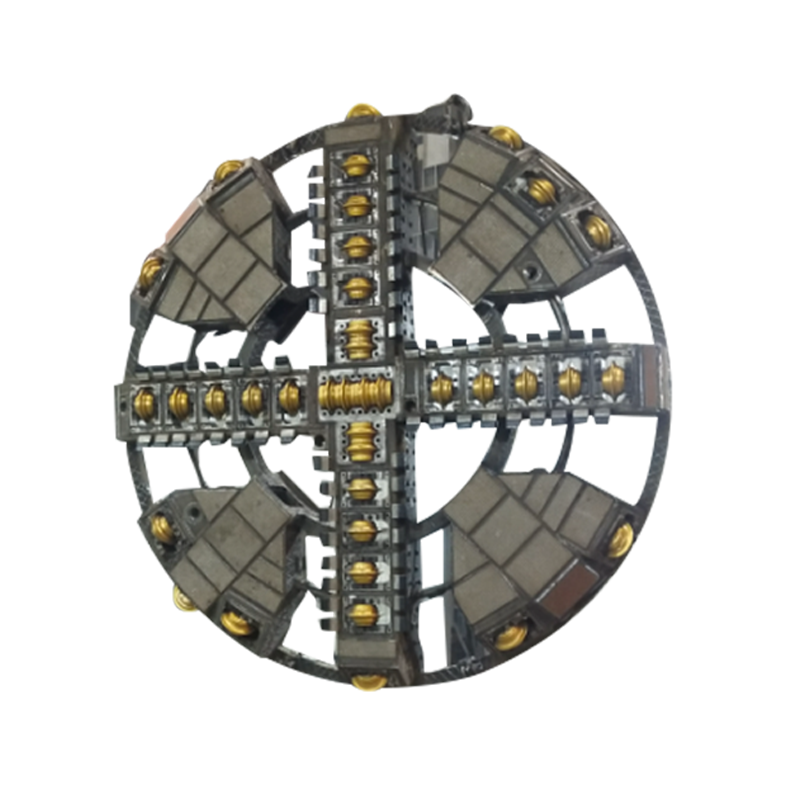
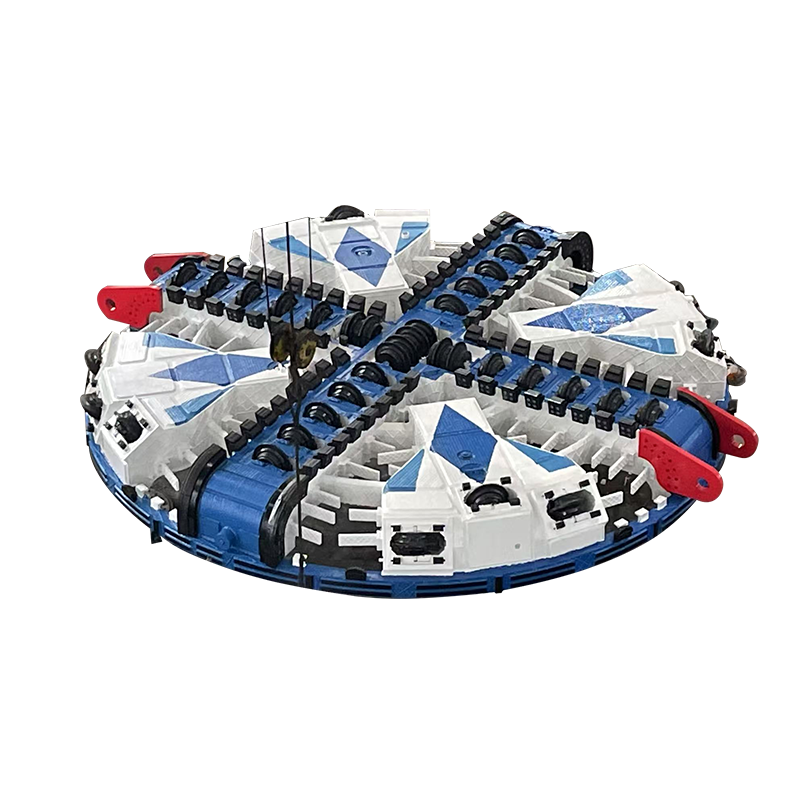
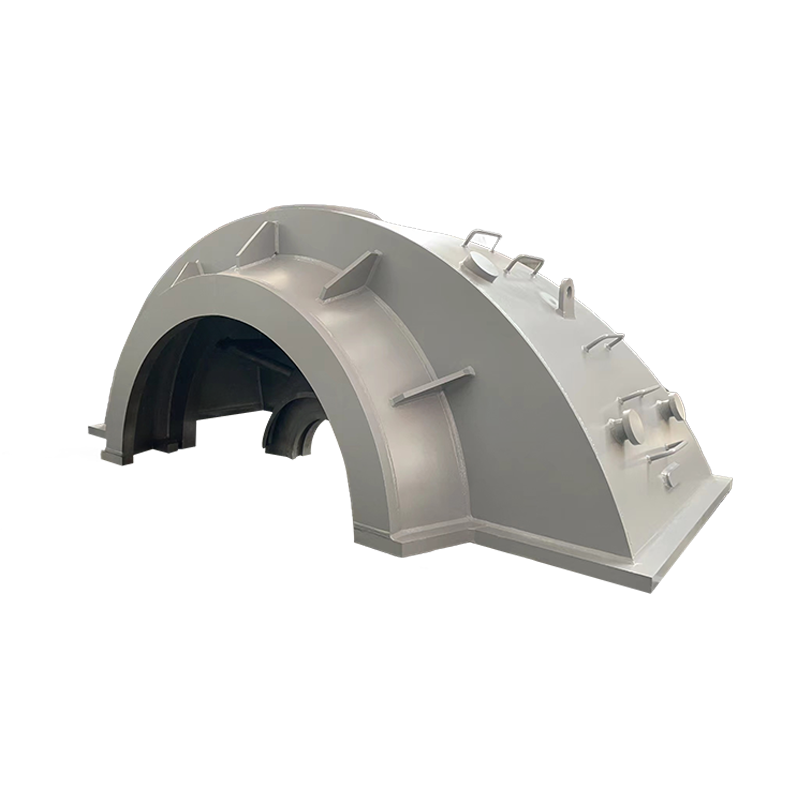
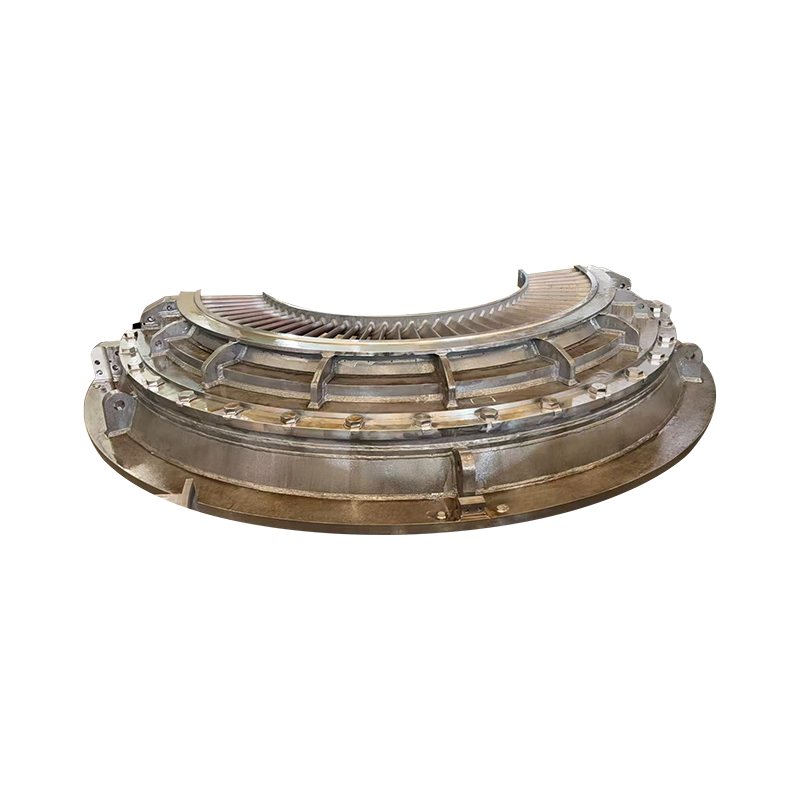
The safe transportation and handling of Carbon Steel Bridge Erecting Machine Structural Component is not a matter of brute force but of meticulous engineering, planning, and skilled execution. It is a multi-disciplinary process that integrates structural engineering, logistics, and hands-on craftsmanship. By treating each component with the care its complexity and value demand—from initial cradle design through final precise placement—contractors ensure that these magnificent machines arrive on site ready for safe and efficient assembly. This diligence protects the investment, upholds project schedules, and, most importantly, contributes to the overall safety of the bridge construction project. The unseen success of any major bridge launch often lies in the flawless journey of its giant erector from factory floor to riverbank.