 +86-573-86868360
 การสอบถาม

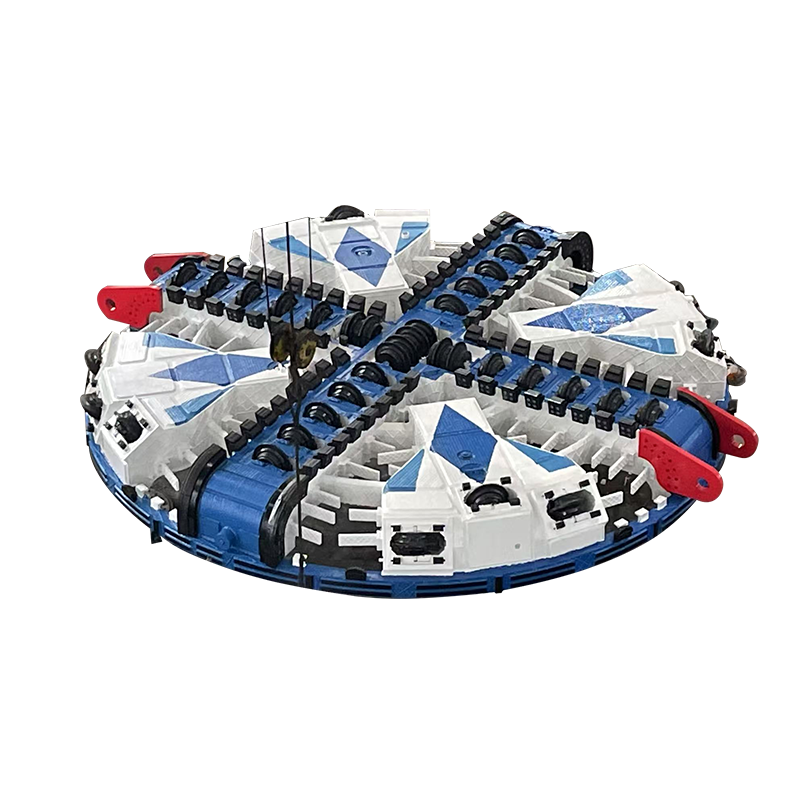
In the world of underground engineering, the shield machine stands as one of the most critical pieces of equipment in modern tunneling projects. It is the backbone of tunnel construction, allowing engineers to excavate safely and efficiently through a variety of geological formations. Among its many components, Shield Machine Shield Carbon Steel Structural Parts play a decisive role in maintaining the machine’s integrity and ensuring the success of tunneling operations.
But just how durable are these components? To answer that question, it’s important to explore the materials, structural design, operational stresses, and maintenance practices that influence their longevity.
Understanding Shield Machine Shield Carbon Steel Structural Parts
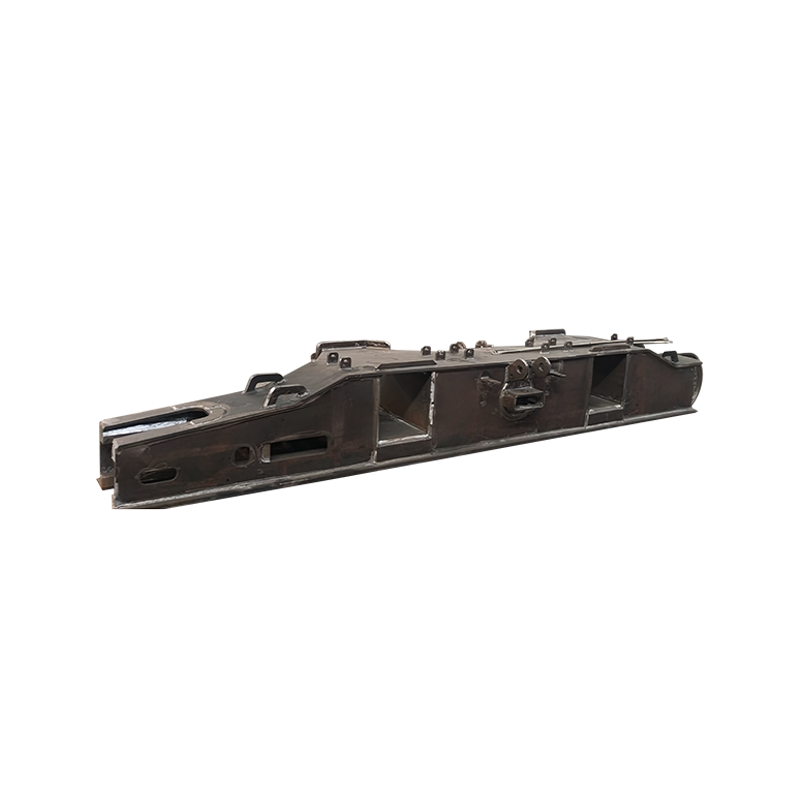
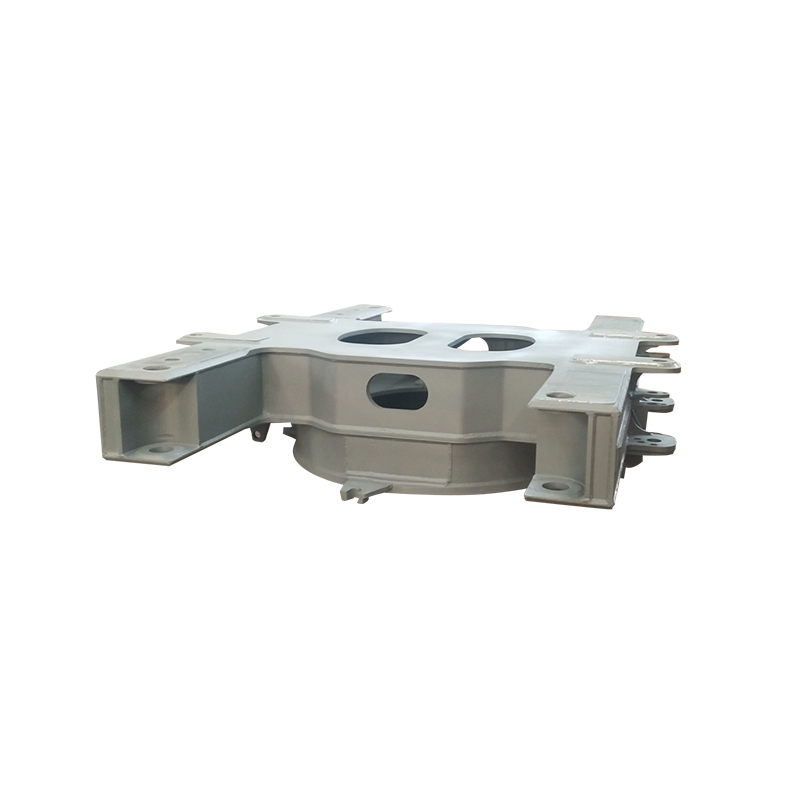
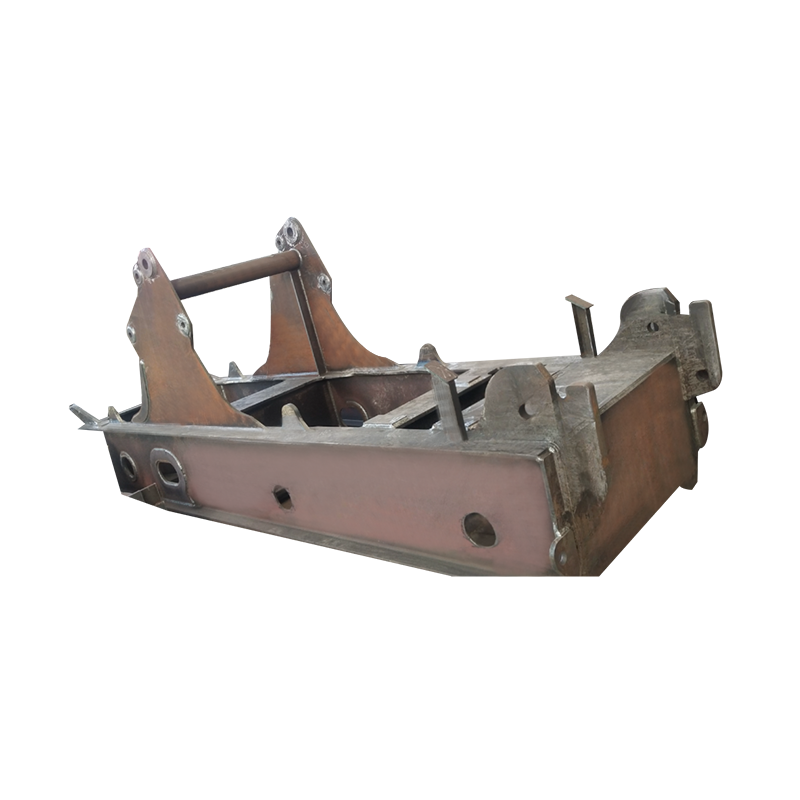
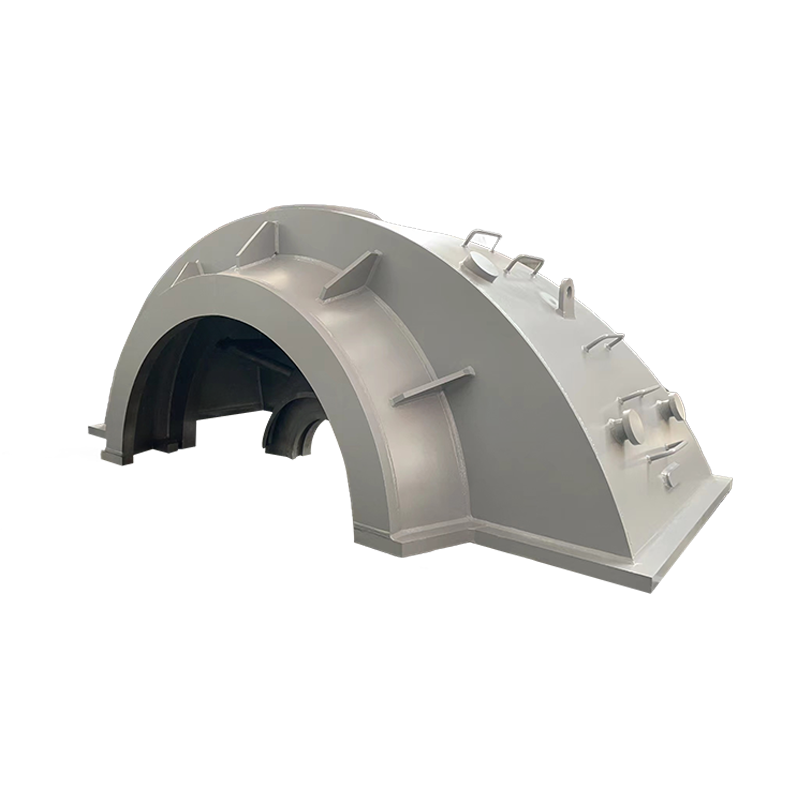
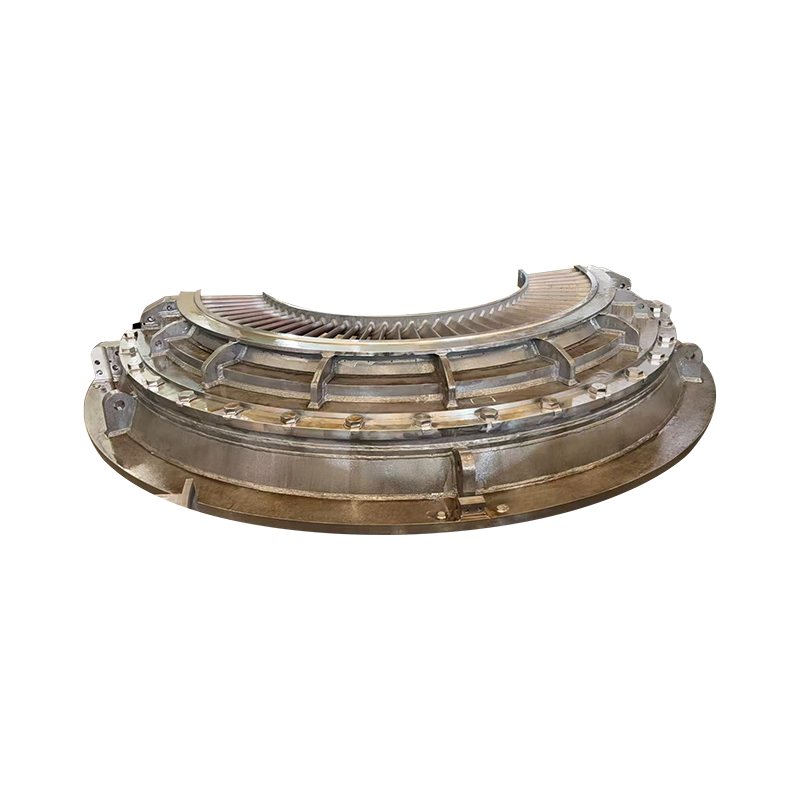
Before evaluating durability, it’s essential to understand what Shield Machine Shield Carbon Steel Structural Parts actually are. These parts include the load-bearing and protective steel structures forming the body and front shield of the tunnel boring machine (TBM). They serve multiple purposes:
- Protective Shielding: Safeguarding internal mechanical and electrical systems from soil pressure, groundwater, and abrasive particles.
- Load Distribution: Withstanding the immense axial and radial loads generated during excavation and thrusting operations.
- Structural Stability: Maintaining machine alignment and rigidity throughout the excavation process.
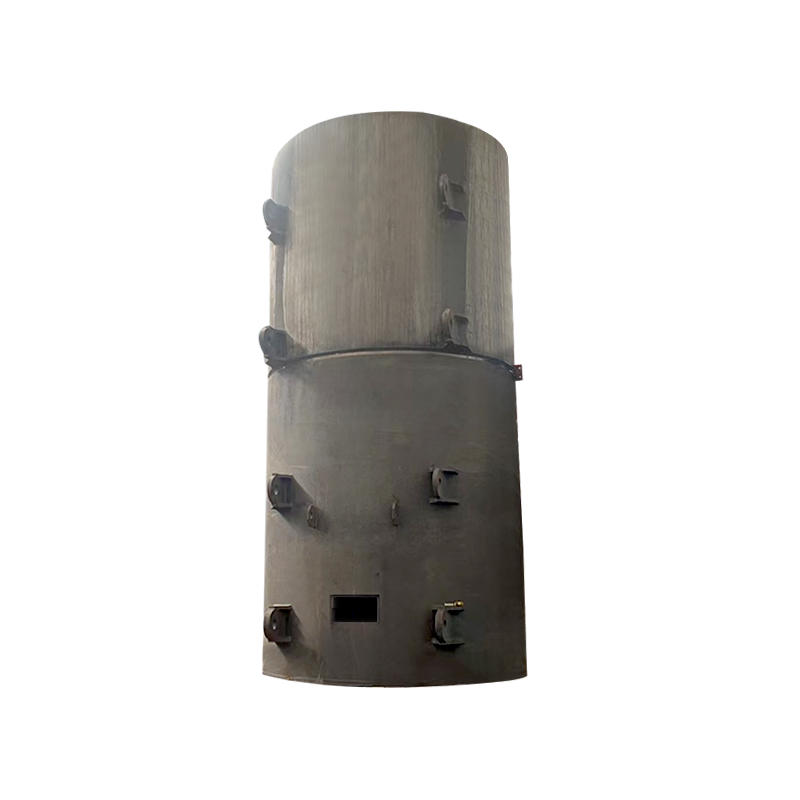
Typically, these structural parts are manufactured from high-grade carbon steel, selected for its combination of mechanical strength, weldability, and cost efficiency. They often include the shield shell, bulkhead, main frame, and reinforcement ribs—all subjected to intense environmental and operational conditions.
The Demands of Tunneling Operations
Tunneling presents one of the harshest working environments for industrial machinery. Shield machines operate in deep, confined underground spaces where they encounter unpredictable geological conditions. The Shield Machine Shield Carbon Steel Structural Parts must therefore endure:
- Extreme ground pressures: The deeper the tunnel, the higher the pressure exerted on the shield’s outer structure.
- Abrasive materials: Sand, gravel, and rock fragments can erode steel surfaces over time.
- Corrosive environments: Groundwater often contains chlorides, sulfates, or other chemicals that accelerate corrosion.
- Cyclic stresses: Constant thrust, rotation, and vibration introduce fatigue stresses that can gradually degrade metal integrity.
These factors make durability a complex performance metric—determined not just by material strength, but also by design precision, manufacturing quality, and operational care.
Material Durability: Why Carbon Steel Is Used
The primary reason carbon steel remains the preferred material for shield structural parts lies in its balance between strength, ductility, and cost . Typical carbon steels used in shield machines fall under grades such as Q345B , Q420 , or A36 , depending on regional standards. These steels possess yield strengths ranging between 345 and 420 MPa, making them capable of withstanding heavy compressive and tensile stresses.
Key properties contributing to durability include:
- High toughness: Enables the material to absorb impact loads without fracturing.
- Good weldability: Essential for fabricating large and complex assemblies while maintaining integrity at weld joints.
- Reasonable corrosion resistance: When combined with protective coatings or surface treatments, carbon steel resists rust formation in moist environments.
- Predictable fatigue performance: Engineers can calculate fatigue life accurately under cyclic loading conditions.
While alternative materials like stainless steel or composite alloys exist, carbon steel remains dominant due to its proven reliability and easier repairability during long-term projects.
Structural Design and Its Impact on Durability
Even with strong materials, design plays an equally crucial role in determining the durability of Shield Machine Shield Carbon Steel Structural Parts. Engineers employ finite element analysis (FEA) and computer-aided design (CAD) tools to simulate the stresses and deformations that occur during operation.
Design factors that enhance durability include:
- Uniform load distribution: Minimizing stress concentrations through even load paths.
- Reinforcement ribs and frames: Increasing rigidity and preventing deformation under pressure.
- Optimized thickness: Balancing strength and weight to avoid unnecessary stress accumulation.
- Proper alignment: Ensuring components maintain structural harmony to reduce vibration-induced fatigue.
A well-engineered structure not only lasts longer but also improves the shield machine’s overall efficiency and safety, minimizing downtime and repair costs.
Corrosion Resistance and Surface Protection
Corrosion remains one of the biggest threats to the longevity of Shield Machine Shield Carbon Steel Structural Parts. Underground water and soil often contain salts, acids, and other corrosive agents that attack unprotected metal surfaces. To mitigate this, manufacturers apply surface protection systems such as:
- Epoxy or polyurethane coatings: Forming a protective barrier that isolates steel from moisture.
- Hot-dip galvanizing: Coating the steel with a layer of zinc for sacrificial protection.
- Cathodic protection systems: Using electrical currents to reduce oxidation on steel surfaces.
- Regular maintenance coatings: Repainting or re-coating at scheduled intervals based on wear inspection.
A well-maintained coating system can extend the service life of these parts significantly, sometimes by 10–20 years, depending on tunnel conditions.
Fatigue Resistance Under Cyclic Loading
During tunneling, the shield machine operates continuously under cyclic forces from rotation, thrust, and ground friction. Over time, these repeated stresses can lead to metal fatigue , a process where microscopic cracks form and propagate until failure occurs.
Engineers combat fatigue in several ways:
- Using low-carbon, fine-grain steels that resist crack initiation.
- Incorporating stress-relief treatments after welding to reduce residual stress.
- Designing smooth geometries that eliminate sharp corners or weld overlaps where cracks could start.
- Monitoring vibration and load cycles using onboard sensors to predict wear before failure.
When properly managed, fatigue life can exceed tens of thousands of operational hours, ensuring structural parts remain safe and stable through extended tunneling missions.
Maintenance Practices That Extend Service Life
Even the most durable Shield Machine Shield Carbon Steel Structural Parts require regular maintenance to perform optimally. Tunnel boring machines are typically inspected after every set distance of excavation or after a defined operational cycle.
Maintenance activities include:
- Visual inspections for corrosion, deformation, and surface cracks.
- Non-destructive testing (NDT) such as ultrasonic or magnetic particle inspection to detect subsurface flaws.
- Re-coating or painting of exposed metal surfaces.
- Tightening or replacing worn fasteners to maintain assembly integrity.
- Cleaning and lubricating contact points to prevent galling or seizure.
Preventive maintenance can drastically reduce the risk of sudden structural failure and improve operational reliability. Many TBM operators now use predictive maintenance software that analyzes sensor data to estimate part wear and schedule timely interventions.
Real-World Durability Performance
Field data from large tunneling projects around the world show that Shield Machine Shield Carbon Steel Structural Parts often last throughout the lifespan of a major tunneling campaign—sometimes exceeding several years of continuous use. In projects involving soft ground or mixed strata, the wear rates are moderate and easily manageable with proper coatings and inspections.
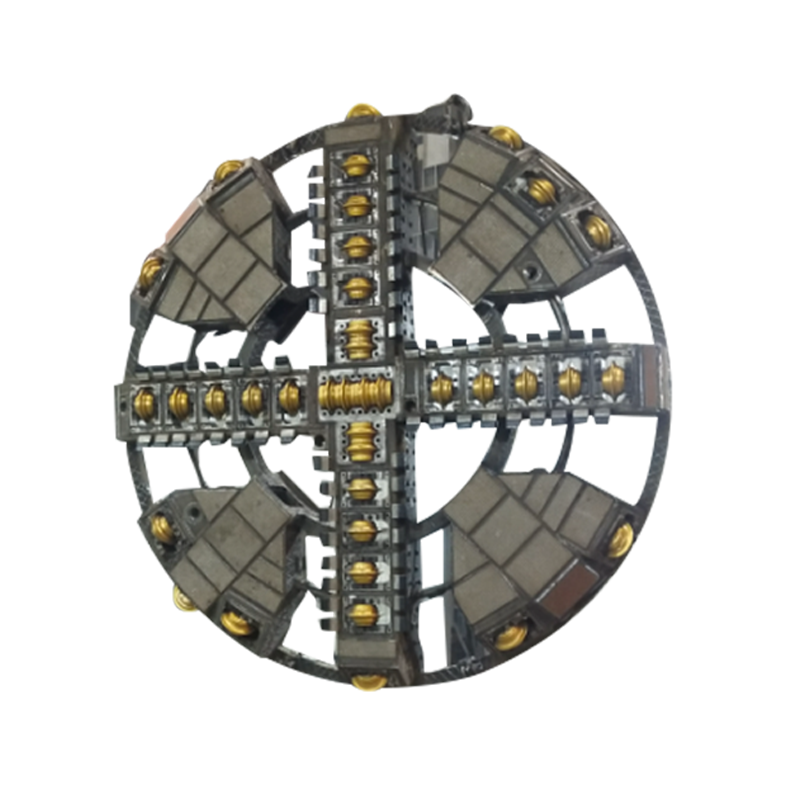
In harder, more abrasive geological formations, wear is accelerated but can still be mitigated through improved materials or localized reinforcement. For instance, the use of replaceable wear plates on high-contact areas like the cutterhead housing significantly reduces the need to replace entire structural components.
The combination of robust steel selection, effective design, and disciplined maintenance ensures that most shield machines maintain structural integrity for thousands of operational hours before major refurbishment becomes necessary.
Common Factors That Reduce Durability
Despite advanced engineering, certain factors can compromise the durability of Shield Machine Shield Carbon Steel Structural Parts if not properly managed:
- Improper surface protection leading to early-stage corrosion.
- Welding defects such as porosity or undercuts that create weak points.
- Overloading beyond design limits , especially in variable ground conditions.
- Poor drainage or water sealing , allowing corrosive moisture to infiltrate structural cavities.
- Inadequate maintenance intervals , letting minor defects grow into major issues.
Awareness and early intervention in these areas can prevent premature wear and extend the service life considerably.
Emerging Innovations Enhancing Durability
The tunneling industry continues to innovate with materials and design techniques aimed at improving durability. Some promising developments include:
- High-strength low-alloy (HSLA) steels that offer better fatigue and corrosion resistance.
- Advanced coatings such as ceramic-epoxy hybrids providing superior abrasion protection.
- Real-time structural health monitoring systems that use strain gauges and acoustic sensors to detect stress or cracks early.
- Modular structural designs enabling easier replacement of damaged sections without dismantling the entire shield body.
As these technologies mature, the future of Shield Machine Shield Carbon Steel Structural Parts will likely see even longer operational lifespans with reduced maintenance costs.
Conclusion
The durability of Shield Machine Shield Carbon Steel Structural Parts is a product of multiple interrelated factors: material selection, structural design, corrosion protection, fatigue resistance, and proactive maintenance. In the demanding environment of tunneling operations, these components must resist immense mechanical stresses and harsh underground conditions.
When properly engineered and maintained, carbon steel structural parts deliver exceptional long-term performance , supporting safe and efficient tunnel excavation for years on end. Their proven strength, cost-effectiveness, and adaptability make them indispensable to modern shield machines.
In short, while durability is never absolute, the careful integration of quality materials, protective systems, and maintenance discipline ensures that Shield Machine Shield Carbon Steel Structural Parts continue to stand as a benchmark of reliability in underground construction worldwide.